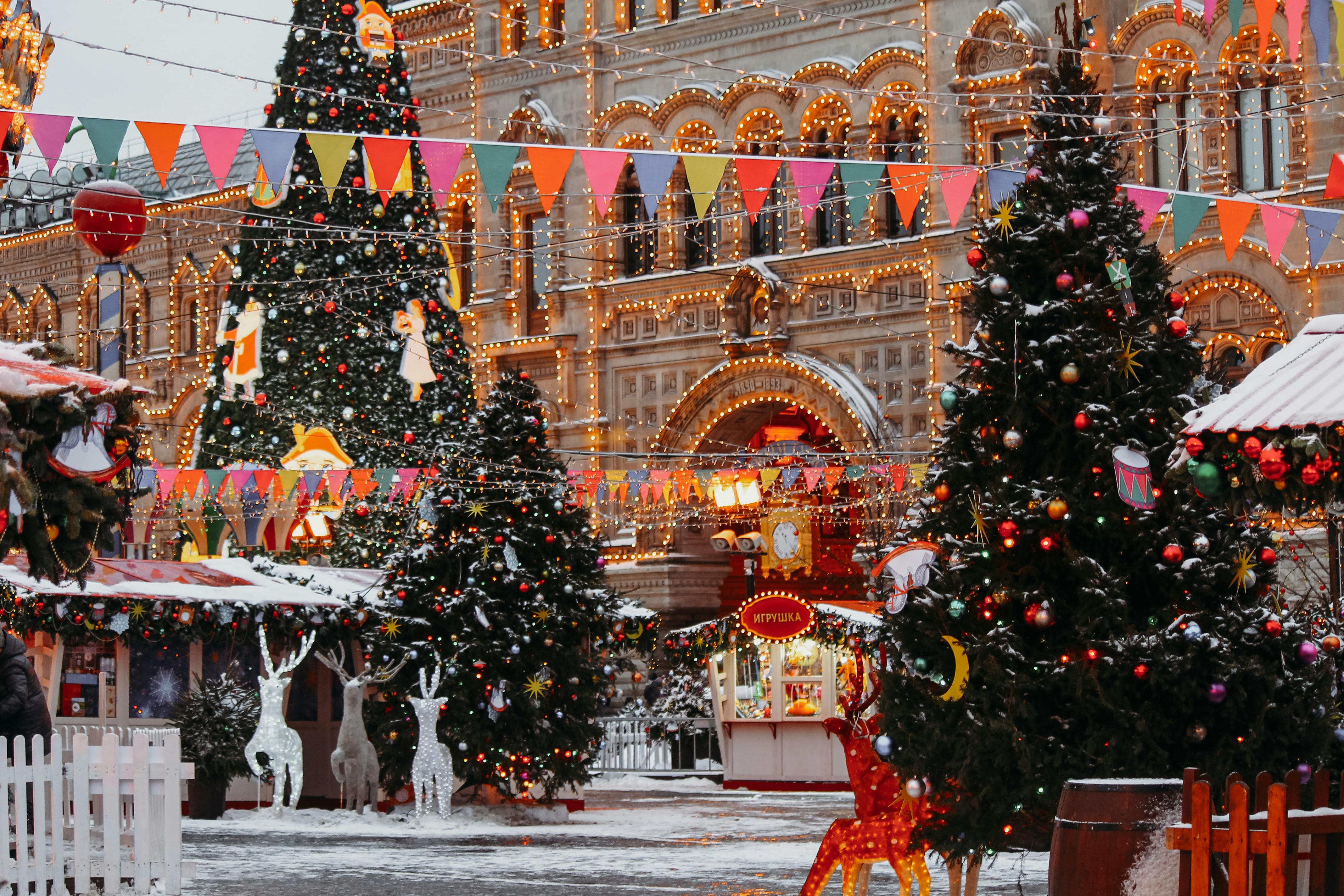
European Christmas markets embody the essence of the holiday season. They were once the heart of community, where artisans sold their wares and neighbors shared warmth. The markets were lit by candlelight, offering a respite from winter’s chill.
Visiting a European Christmas market is like stepping into a timeless tradition. The squares are adorned with lights, medieval halls draped in greenery, and the air is filled with the aroma of roasting chestnuts and mulled wine. Each market showcases the local culture, history, and traditions, making them both culturally rich and visually stunning.
Here are some of the most iconic and enchanting Christmas markets across Europe.
How Christmas Markets Will transform your Holiday Perspective
Visiting the European Christmas Markets will completely reshape your view of holiday celebrations. People gathered not just to shop, but to connect and celebrate.
The European approach differs greatly from American traditions. It’s less about commercial frenzy and more about shared experience with a focus on quality time, not just gift buying.
The Magic of Strasbourg, France
You may never truly experience real holiday spirit until wandering through Strasbourg’s festive squares. We’re starting off strong with a Christmas experience like no other.
Strasbourg’s Christkindelsmärik is celebrated as the oldest Christmas market in Europe, dating back to 1570. It’s set against the backdrop of half-timbered houses and the majestic Gothic cathedral, creating a scene of unparalleled beauty.

Photo by Lora Rikky
The market is known for its commitment to tradition and as one of the oldest Christmas markets, it certainly delivers. The decorations are handmade and natural, featuring wooden ornaments, straw stars, and hand-painted glass.
This city truly earns its title as the “Capital of Christmas” through an incredible transformation that takes over every corner. Strasbourg’s dominance comes from its complete commitment to the holiday spirit. Every building, street, and square participates in the transformation.

Photo by Berra Karademir
The entire UNESCO-listed center becomes a living holiday postcard. Hundreds of wooden chalets create a maze of festive wonder. Over two million visitors flock here annually for good reason.
Place de la Cathédrale’s Historic Stalls
The cathedral square offers a breathtaking backdrop for the main market experience. Gothic architecture towers over colorful stalls filled with local treasures. The atmosphere here feels both ancient and alive with modern joy.
Here you’ll find incredible Alsatian crafts that you won’t see anywhere else. Artisans demonstrate traditional techniques passed through generations.
The food options here showcase regional specialties perfectly. Be sure to enjoy the steaming sauerkraut and delicate flammekueche. Hot vin chaud will warm your hands as you wander the market.
Place Kléber’s Grand Sapin Centerpiece
Place Kléber features an enormous Christmas tree that dominates the square. This grand sapin stands as a magnificent centerpiece for the entire city. Its sparkling decorations create a focal point for celebrations.

Photo by Filiz Elaerts
The tree lighting ceremony becomes a magical community event. Locals and visitors gather to witness the transformation.
Christkindelsmärik’s Traditional Atmosphere
Surrounding stalls offer unique gifts and seasonal treats. The atmosphere feels especially festive near this magnificent tree.
The Christkindelsmärik dates back to 1570, making it one of Europe’s oldest markets. This historic tradition infuses the entire experience with authentic charm. You can feel centuries of celebration in the air.
Traditional music and scents create a multisensory experience. The wooden chalets maintain their historic character while offering modern comforts. It’s a beautiful blend of old and new.

Photo by Alexis B
Despite the crowds, the atmosphere remains warm and welcoming. The city’s organization keeps everything flowing smoothly. You’ll never feel overwhelmed by the scale of operations.
This city sets the standard for what a Christmas celebration should be. The combination of history, culture, and pure magic creates something truly special. It’s worth navigating the crowds for this unforgettable experience.
Austria’s Imperial Wonderland
Vienna’s Christmas markets (or Christkindlmärkte) transform the city into a sparkling imperial wonderland. Unlike the singular markets found in other cities, Vienna hosts over a dozen distinct markets, ranging from kitschy fairytale villages to sophisticated artisan hubs, all set against the backdrop of grand Baroque palaces and Gothic cathedrals.
The “Must-Visit” Markets
- Rathausplatz (City Hall): The biggest and most famous. It features a massive ice-skating ribbon that winds through the illuminated park, a Ferris wheel, and a “Tree of Hearts” that is a favorite for photos.
- Schönbrunn Palace: For sheer imperial grandeur, this market sits in the massive courtyard of the Habsburgs’ former summer residence. It’s known for high-quality Austrian handicrafts and classical concerts.
- Art Advent at Karlsplatz: A local favorite focused on organic food and professional handicrafts. Instead of plastic toys, you’ll find felted wool, hand-blown glass, and a large hay pit for children to play in.
- Spittelberg: Tucked into narrow Biedermeier cobblestone alleys, this market feels like a hidden village. It’s the best spot for finding unique jewelry and art from local galleries.
The Essential Flavors
The experience is as much about the aroma as the sights. Don’t leave without trying:
- Punsch & Glühwein: Served in collectible mugs (you pay a deposit or Pfand and can either return the mug for your money back or keep it as a souvenir).
- Maroni: Chestnuts roasted over open fires on street corners.
- Käsespätzle: Hearty, small egg dumplings smothered in melted cheese and topped with crispy fried onions.
- Kaiserschmarrn: Fluffy, shredded pancakes dusted with powdered sugar and served with plum compote.

Photo by Leona Augusto
Souvenirs you’ll want to Collect
Vienna’s markets are a treasure trove for souvenirs because each market specializes in a different type of craft. If you are looking for things beyond the usual plastic trinkets, here are the “must-haves” for 2025:
The Collectible “Punsch” Mugs
This is the most iconic souvenir. Each market has its own unique ceramic mug design (they change every year).
- The Heart-Shaped Mug: Exclusive to the Rathausplatz market, this is arguably the most famous.
- The Boot Mug: These are often harder to find but pop up at various markets like Maria-Theresien-Platz or Stephansplatz.
Original Viennese Snow Globes
Did you know the snow globe was actually invented in Vienna?
- Where to find them: Look for the Original Wiener Schneekugel stall at the Rathausplatz or Schönbrunn markets.
- What makes them special: Unlike cheap mass-produced ones, these are still handmade by the Perzy family. The “snow” is a trade secret that floats longer than usual.
Hand-Carved Wooden Toys & Decorations
If you want something traditional that lasts generations:
- Freyung Market: Known specifically for its old-world charm and high-quality woodwork. Look for hand-carved nativity figures or “incense smokers” (wooden figurines that blow real smoke).
- Schönbrunn: Famous for intricate, laser-cut wooden ornaments and traditional Tyrolean carvings.
German Christmas Magic: Beyond the Classics
Exploring beyond the famous destinations reveal hidden gems in German towns. Each location offers its own unique take on traditional celebrations with incredible diversity across different regions.
You’ll find centuries-old traditions blending with modern touches.
Nuremberg, Germany — A Medieval Christmas Preserved
The market opens with the appearance of the Christkind, a symbolic figure dressed in gold who recites a prologue from the church balcony—a ritual unchanged for generations. The stalls themselves feel timeless, glowing beneath red-and-white striped canopies.
Germany’s Nuremberg Christkindlesmarkt is one of the most historically preserved markets in Europe. The main market dates back to 1628, making it incredibly historic. With strict rules on what can be sold, the focus remains on traditional crafts rather than novelty souvenirs.

Photo by Anh Nguyen
The famous Nürnberger Lebkuchen (gingerbread) is a must-try treat. Local vendors sell these spiced cookies everywhere. They make perfect edible souvenirs.
Beware, the crowds here are intense, even on regular weekdays so you’ll need patience to navigate through the packed square but it’s worth it. The traditional atmosphere feels authentic and timeless. It’s worth experiencing at least once!
Don’t miss:
- Zwetschgenmännle (plum figurines)
- Nuremberg sausages grilled over open flames
- Lebkuchen, the city’s famous spiced gingerbread
Frankfurt’s (Germany) Romantic Römerberg Square
Set beneath the stepped gables of Frankfurt’s medieval Römer and surrounded by half-timbered houses, the Römerberg Christmas Market is one of Germany’s oldest and most atmospheric.
Dating back to the 14th century, this market blends historic grandeur with deep-rooted seasonal tradition, transforming the city’s historic heart into a glowing winter square creating a romantic setting.

Photo by Masood Aslami
Making Römerberg especially compelling is its sense of scale and continuity. The historic buildings, charming carousel and towering Christmas tree at the center of the square set the scene with anchored rows of wooden stalls dressed in garlands, lights, and evergreen.
Here, craftsmanship remains at the forefront — hand-carved wooden decorations, traditional nativity figures, and regional Hessian specialties take precedence over novelty goods.

Photo by Tharun Thejus
The market feels ceremonial rather than crowded, particularly in the early evening when church bells echo through the square and the façades are illuminated in soft golden light.
The main square delivers beautiful visuals and great food options for an overall experience that feels romantic and photogenic.
Don’t miss:
- Frankfurt’s signature Apfelwein served warm for winter
- Handcrafted wooden pyramids and nativity scenes
- Evening visits when Römerberg feels most timeless
Bamberg’s Authentic Bavarian Atmosphere
Bamberg checks every box for an authentic German market experience. The half-timbered buildings create a picture-perfect setting. Local charm radiates from every corner.
Night watchman tours add to the historic atmosphere. These guided walks through the old town are educational and entertaining and they provide cultural context beyond the market stalls.
While Bamberg offers genuine Bavarian charm, it works best as part of a broader itinerary.
The food here features traditional bratwurst and local specialties and the quality matches the authentic surroundings perfectly.
Cologne’s Seven Diverse Market Experiences
Cologne amazes with its seven distinct market locations. Each offers a different theme and atmosphere you could spend days exploring.
Heinzel’s Winter Fairytale is a favorite for most. This gnome-themed market feels whimsical and magical and the attention to detail is impressive.

Photo by Lina Kivaka
The Cathedral market benefits from stunning architecture as its backdrop. The Angel Market features heavenly decorations and themes. Each location brings something unique to your visit.
Other markets include the Harbour location and Nicholas Village. The Stadtgarten Market offers a more relaxed alternative. This diversity makes Cologne stand out from single-market cities.
You’ll find excellent mulled wine and diverse food options throughout. The variety ensures there’s something for every preference.
Swiss Precision and Holiday Cheer
Swiss Christmas markets feel composed and intentional, reflecting the country’s reputation for craftsmanship, order, and quiet elegance. Set against medieval old towns and along riverbanks, these markets favor quality over quantity, with a strong emphasis on artisan goods, natural materials, and regional food traditions. The result is a Christmas atmosphere that feels alpine, polished, and deeply rooted in place.
Zurich, Switzerland — Urban Craft & Candlelit
Zurich hosts several Christmas markets, each offering a distinct mood. The most atmospheric are found in the Old Town (Niederdorf) and the Christkindlimarkt at the main station, home to one of Europe’s tallest indoor Christmas trees adorned with thousands of crystals.

Despite its urban setting, Zurich’s markets feel serene rather than bustling. Stalls are cleanly designed, often showcasing Swiss-made goods that prioritize durability and timeless form. There is a sense that everything sold here has been considered carefully.
The city doesn’t transform as completely as other places during the holidays. You’ll notice modern architecture alongside festive decorations.
What makes it special:
- Multiple markets with varied atmospheres
- Strong focus on Swiss craftsmanship and design
- Calm, elegant presentation
What to collect:
- Hand-carved wooden ornaments and figurines
- Swiss linen and wool accessories
- Minimalist candleholders and lanterns
- Traditional Swiss paper cuttings (Scherenschnitte)
Basel’s Early-Opening Twin Markets
Often considered one of Switzerland’s most beautiful Christmas markets, Basel’s market spans Barfüsserplatz and Münsterplatz, set against red sandstone buildings and the dramatic backdrop of Basel Minster.
Basel’s market feels story-rich and artisanal, with many vendors offering handmade goods produced in small workshops. Decorations lean traditional — evergreen garlands, warm lights, and classic silhouettes — creating a sense of continuity with the city’s medieval past.
While both Swiss cities offer enjoyable experiences, they work best as part of a multi-country tour rather than standalone destinations. The Swiss approach feels more precise and less traditional compared to German and French markets.
Eastern European Hidden Treasures
Eastern Europe reveals some of the most enchanting holiday destinations offering a different kind of magic compared to their western counterparts. The intimate settings and authentic traditions create unforgettable memories.
You’ll discover rich cultural heritage and warm hospitality. The prices are often more affordable than in western destinations.
Tallinn’s Storybook Old Town Magic
Tallinn’s main gathering feels like stepping into a medieval fairy tale. The historic square surrounded by ancient architecture creates an incredible backdrop. Snow-dusted rooftops add to the magical atmosphere.

Photo by Anton Massalov
I experienced snowfall during my visit that transformed the cobblestone streets. The gentle flakes falling through the twinkling lights created pure magic. This location has a high chance of white celebrations.
The layout feels intimate and welcoming. You can easily navigate between stalls offering hearty local dishes. Traditional Estonian treats warm you from the inside out.
This single market location packs so much charm into one beautiful space. It’s a showstopper that deserves its reputation as one of Europe’s best.
Budapest’s Food-Focused Market Experience
Budapest offers two main festive locations that cater to food lovers. The Advent Basilika Market at St. Stephen’s Basilica features spectacular light projections. These shows transform the church facade into moving artwork.
Vörösmarty Square hosts another popular gathering with incredible Hungarian cuisine. I sampled chimney cakes and rich goulash that were absolutely delicious. The food quality here stands out among all my travels.

Photo by Burkay Canatar
Be prepared for currency complications using Hungarian Forint. Many vendors prefer cash, and exchange rates can be tricky. The holiday spirit concentrates mainly around these two areas.
While the city lacks widespread decorations, the market experiences make up for it. The focus remains firmly on exceptional culinary offerings.
Riga’s Authentic and Affordable Charm
Riga’s historic center hosts a wonderfully authentic celebration. The atmosphere feels warm and welcoming from the moment you arrive. Local artisans showcase traditional Latvian crafts.
I found beautiful handmade toys and unique gifts at reasonable prices. The affordability makes shopping here particularly enjoyable. You can find quality items without breaking your budget.

Photo by Ambam Gorilla
The food stalls offer local delicacies like grey peas with bacon. These traditional treats give you a true taste of Latvian culture. The overall experience feels genuine and less commercialized.
This destination offers excellent value compared to western locations. The combination of authenticity and affordability creates a special charm.
These Eastern European gems provide intimate experiences that larger western markets can’t match. They offer unique cultural insights and wonderful memories. Each location brings its own special character to your holiday adventures.
Scandinavian Gems: Markets with Northern Charm
Scandinavian Christmas markets feel fundamentally different from their Central European counterparts. Where German and French markets glow with abundance and ornament, Nordic markets are shaped by darkness, simplicity, and ritual.
Here, Christmas is less about display and more about atmosphere — candlelight against long nights, natural materials, and objects designed to be used, not stored away.
These markets celebrate restraint, craftsmanship, and the beauty of repetition — the same candle lit each year, the same star hung in the same window.
Below are three distinct Scandinavian destinations worth considering. They each offer something special for visitors seeking northern charm.
Helsinki’s (Finland) Snowy Senate Square Celebration – Winter Minimalism & Folk Heritage
Helsinki’s Tuomaan Markkinat (St. Thomas Christmas Market) is held in Senate Square, framed by neoclassical architecture and often dusted with snow. The market feels calm and intentional — less crowded, deeply local, and focused on Finnish design and folk tradition.

Photo by Rahul Thakuri
Stalls highlight small-batch makers and practical beauty: objects meant to survive long winters and be used daily.
Be prepared for challenging weather conditions. Daylight hours are very limited during winter. The cold can be intense, so dress in warm layers.
Despite the weather, the experience feels genuinely magical. The snow-covered stalls and twinkling lights create wonderful memories. It’s worth braving the cold for this authentic Nordic celebration.
What makes it special:
- Clean, restrained stalls emphasizing wood, wool, and ceramic
- Finnish folk music and seasonal food rather than spectacle
- A strong emphasis on sustainability and craftsmanship
What to collect:
- Hand-turned wooden utensils and bowls
- Wool mittens and knit accessories
- Minimal ceramic mugs and candle holders
- Straw ornaments and traditional himmeli decorations
Copenhagen, Denmark – Hygge, Storybook Charm & Design Heritage
Copenhagen’s Christmas markets — most notably Tivoli Gardens and Nyhavn — are among the most visually enchanting in Scandinavia. Tivoli feels almost theatrical, yet never excessive: soft lights, snow-covered rooftops, and carefully styled stalls create a storybook winter world.
This is where hygge becomes tangible — warmth, familiarity, and gentle indulgence. offers multiple market locations connected by a walkable route. This makes exploring different areas quite convenient. You can easily visit several spots in one day.

Photo by Alexis B
However, prices may surprise you. Mulled wine costs €10-12 and comes in paper cups. This felt less authentic than traditional ceramic mugs.
The city experience lacks some cozy storybook vibes I’ve found elsewhere. You’re more likely to encounter rain than snow. The atmosphere feels more commercial than magical.
What makes it special:
- Thoughtful design and impeccable visual cohesion
- A balance of tradition and modern Danish aesthetics
- A festive yet deeply calming atmosphere
What to collect:
- Felt ornaments and wool garlands
- Handcrafted paper or wooden stars
- Danish ceramics and candleholders
- Small seasonal figurines designed for repeated use
Malmö, Sweden — Soft Light & Scandinavian Domesticity
Malmö’s Christmas markets feel intimate and human-scaled, often set in historic squares like Gustav Adolfs Torg. The atmosphere is cozy rather than grand — perfect for those drawn to Swedish domestic traditions and gentle seasonal styling.
Here, Christmas is about the home: the table, the window, the quiet evening ritual. Here they offer a tiny weekend-only market that feels quite intimate. The pop-up nature gives it a charming, temporary feeling. It’s significantly smaller than other Scandinavian options.
The handcrafted goods here are truly beautiful and the shopping experience focuses on quality over quantity.
You likely won’t find Malmo on many must visit Christmas market lists, however, it makes a nice side excursion if you’re visiting Copenhagen. The old town setting adds to its quaint charm.
What makes it special:
- Focus on everyday rituals rather than novelty
- Warm lighting and natural materials
- A distinctly Swedish sense of calm
What to collect:
- Hand-dipped candles in muted tones
- Linen napkins and table runners
- Woven straw goats (Julbock)
- Small ceramic dishes for seasonal treats
Nordic Christmas markets reflect a cultural understanding of winter as something to be worked with, not resisted. Darkness becomes a design element. Simplicity becomes comforting. Objects are chosen for longevity, not novelty.
In a world of excess, Scandinavian Christmas markets offer something quieter — and perhaps more meaningful: a reminder that beauty doesn’t need to be loud to be powerful.
Planning Your Ultimate Christmas Market Itinerary
Most festive gatherings open around mid-November across the region. The absolute peak crowds arrive during the second and third weeks of December. This period brings the most visitors but also the most intense atmosphere.
The sweet spot for timing falls during the first week of December. Everything is fully operational by then and you’ll enjoy all the magic without the overwhelming masses of people.
Weekends see significantly heavier attendance at all locations. Be sure to plan your itinerary to visit larger destinations on weekdays. This simple strategy dramatically improves your overall experience.
Making the Most of Limited Daylight Hours
Winter travel brings shorter days that require smart planning. You’ll learn to embrace the early darkness as part of the seasonal charm. The right approach turns limited daylight into an advantage for your adventures.

Balancing Market Time with Sightseeing
The perfect way to structure winter days are by utilizing the morning hours which are ideal for indoor museums and historic sites. These activities work well when natural light isn’t essential. Most festive gatherings open around noon so you can enjoy cultural sights before the markets get busy.
Here’s my recommended daily schedule:
- 9 AM – 2 PM: Visit museums, cathedrals, and indoor attractions
- 2 PM – 4 PM: Explore markets as daylight fades
- 4 PM – 9 PM: Enjoy evening market magic under the lights
This balance ensures you experience both cultural sights and seasonal celebrations. You won’t miss important attractions while chasing the perfect market experience.
Unique Cultural Experiences in Each City
Every destination offers its own special way to celebrate the season. In Bamberg, you can join a night watchman tour through the medieval streets.
Helsinki’s Christmas parade features cheerful floats and local performers. Budapest’s light shows at St. Stephen’s Basilica transform the entire building into moving art where it’s projections tell beautiful holiday stories.
Vienna’s ice skating rinks become social gathering spots for locals. River cruises in Budapest offer stunning views of illuminated bridges and buildings.
These are just a short list of activities that can help provide a deeper cultural understanding and create wonderful memories as each city shares its traditions in unique and meaningful ways.
Bringing the Christmas Magic Home With You
The right souvenirs can extend your holiday joy throughout the year. I always look for handmade items that tell a story. Local artisans create beautiful crafts that reflect their culture.
Hand-painted ornaments make perfect tree decorations. They’re a fantastic reminder of specific markets and special moments.
Supporting local artists feels good and ensures quality. Look for stalls where creators demonstrate their techniques as your purchases help preserve cultural traditions.
The value of experiences outweighs material things every time. But well-chosen souvenirs can bridge that gap beautifully. They let you share the magic with loved ones back home.
Conclusion: Your Unforgettable Christmas Market Journey Awaits
The magic of these gatherings can transform your entire seasonal perspective. Good planning ensures the best possible experience on your trip. Start dreaming of that first sip of mulled wine amid the festive cheer.
Your own magical journey awaits just a flight away. Pack your warmest clothes and an open heart for new traditions.
I hope my insights help you discover the same joy I found. May your travels bring you home with stories to cherish forever. What are your favorites?






Leave a Reply