
Why our deepest sense of beauty isn’t about trends, but about a Silent, powerful act of remembrance.
We often talk about aesthetics as fleeting trends—phenomena that arrive, peak, and inevitably fade. However, this cycle doesn’t fully explain why certain styles don’t just pass through our lives, but instead, they take root and stay.
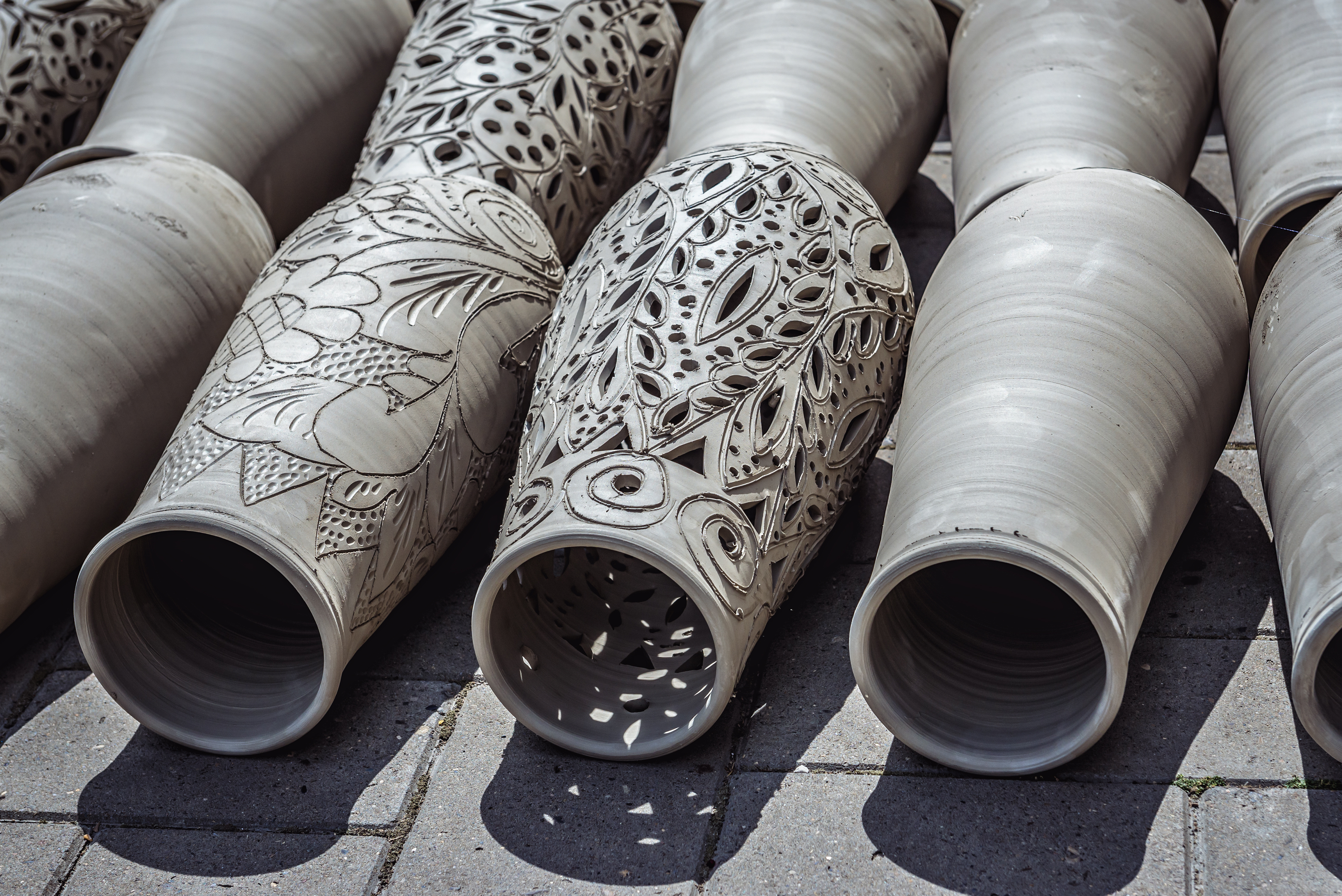
We find them in the weave of old linen sheets that only improve with time, or the honest imperfection of a chipped ceramic rim. To choose these isn’t merely preference, it’s of deep remembrance. We aren’t discovering them; we’re recognizing them.
True Beauty Was Built for Survival, Not the Lens
We often forget that the things we now call beautiful were once just the things we needed to survive. True aesthetics weren’t originally optimized for a camera lens; they were shaped by the raw demands of the human condition. We didn’t create things to impress—we created them to endure, and in that survival, meaning took hold.
Consider the simple candle. For our ancestors, its glow was once a requirement, not a “vibe.” It dictated the rhythm of the evening by slowing them down, pulling them closer, and shielding them from the vastness of the dark.
When we light a candle now, we’re performing an act of cellular memory. We don’t need its practicality for light, but we return to it instinctively for atmosphere. The action reminds the body of a time when living moved at a human pace.
We’re retreating from the relentless exposure of the modern world into a space where time moves at the gentle pace of a flickering flame. That small circle of light reminds our bodies how it feels to be at rest: secure and unobserved.
Objects That Ask Less of Us
When we reach for old things—worn wood, faded textiles, handwritten notes—we’re not longing for the past, so much as for continuity. These objects carry the undeniable evidence of time passing without the rush. They have already survived something. They ask less of us.

In moments of cultural exhaustion, this matters profoundly. We’re living in a period that demands constant visibility, articulation, and explanation. Even taking care of oneself has been turned into a showy experience; rest is expected to produce something measurable. Against that relentless pressure, the appeal of silent, quiet beauty is not merely decorative—it is fundamentally protective.
Some aesthetics don’t stimulate. They shelter.
This may be why ornament, texture, and softness return whenever life becomes brittle. Why maximalism reappears after eras of restraint. Why minimalism once felt like relief—and now, for some, feels like a cold, unsettling absence. Aesthetic shifts are rarely random; they are emotional responses, shaped by what a culture is trying to recover.
Beyond Taste: Memory, Grief, and Care
What may appear as a need, is often grief. What looks like taste is often memory. And what looks like beauty is often a powerful form of care.
You don’t need to justify why certain things matter to you. Or to explain why a particular room, object, or ritual feels grounding. These attachments are older than language itself. They live in the body—in how we instinctively respond to light, weight, quiet, and enclosure.
Some things feel like home not because they are merely familiar, but because they remember us. And maybe that’s what we are really searching for now—not novelty, not perfection, not improvement—but forms that say:
You don’t have to become anything else to be here.
You can view this and more on my Substack. Thank you for being here. XX





Leave a Reply