
There’s a specific kind of madness we’ve all agreed to participate in: the cult of efficiency. We’ve spent years treating travel like a logistical math problem. Faster routes. Shorter layovers. Seamless transfers. We’ve optimized our trips until the actual movement part feels like a glitch in the system—something to be compressed, medicated away, or endured with a neck pillow and a podcast.
We’ve become experts at teleporting. One minute you’re in the rain in London, and the next you’re blinking in the Mediterranean sun, feeling like your soul is still stuck somewhere over the Alps trying to catch up with your suitcase.
But there is a quieter, much sexier shift happening.
A few of us are starting to choose the long way on purpose. The train instead of the budget flight. The ferry instead of the 45-minute hop. The drive where the GPS actually gets a workout. Not because it’s “convenient” (it’s LITERALLY not), but because it feels different in the body.
Here is why we are officially breaking up with efficiency and taking the slow way home.
Stopping the “Body-Shock” Arrival
Modern travel has trained us to treat time like an enemy. We leap from city to city, collapsing space until the world feels like a series of disconnected hallways.

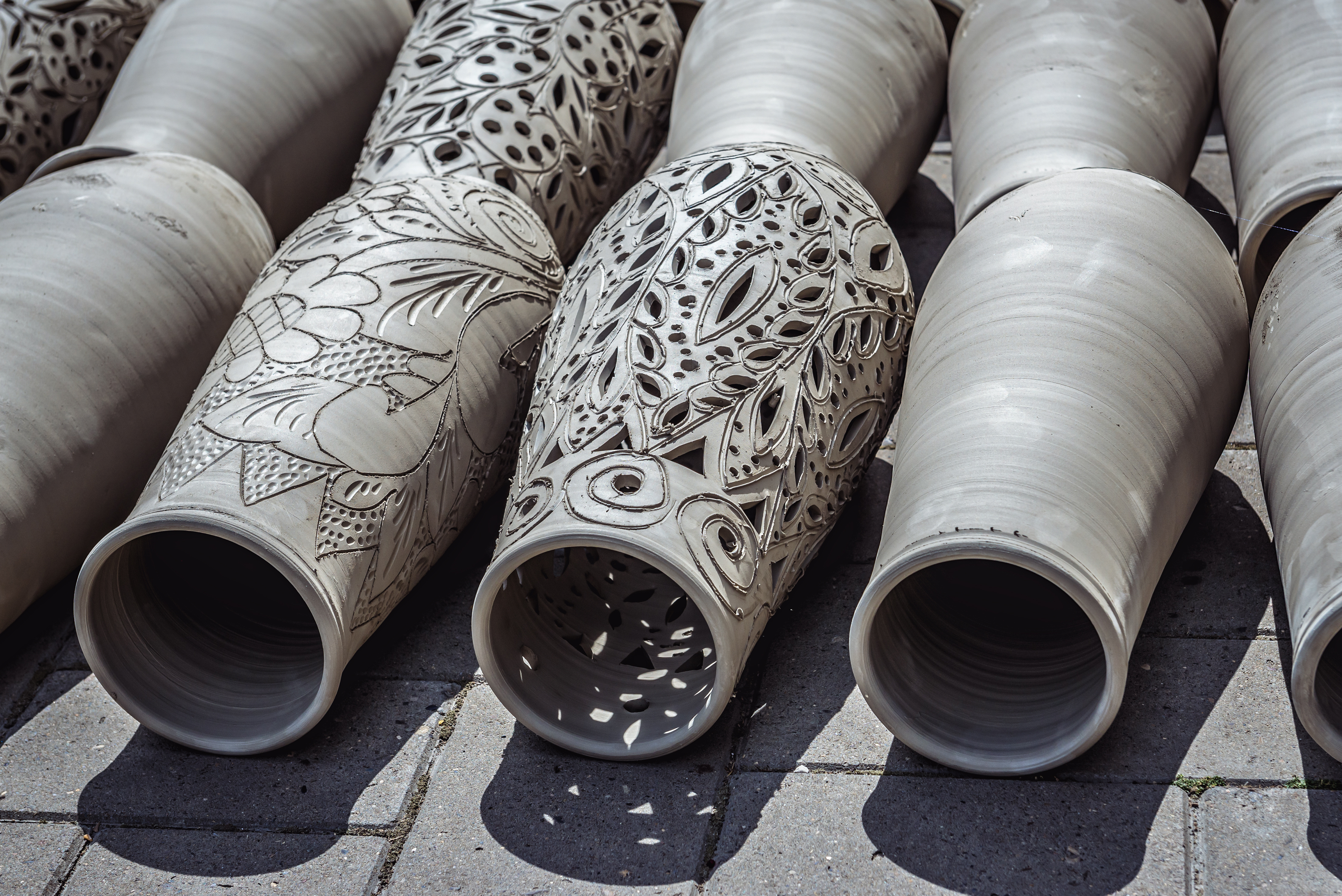
Photo by Zeynep Öngel
When you fly, you arrive as a shock to your own nervous system. But when you take the train or the boat? You experience passage. You watch the architecture slowly evolve. You see the forests thin into fields and the coastlines stretch out like they’re waking up. You give your brain the chance to actually register that you are leaving one version of your life and entering another. It’s not a jump-cut; it’s a transition.
Trading “Machine Speed” for Human Rhythm
We spend our entire lives trying to optimize our output, and for a long time, we forced our vacations to do the same. We treated the journey as an interruption—a boring “waiting room” between us and the Instagrammable landmark.
But the trips that actually change your DNA? They don’t move at machine speed. They leave room for the unplanned stop. The weather delay that turns into a three-hour lunch in a town you can’t pronounce. The quiet observation that eventually turns into a thought you haven’t had in five years.
Slower travel asks you to participate in your life rather than just consume a destination. It’s the difference between watching a movie and actually living in the scene.
The End of “Performance Travel”
When the journey is the destination, the pressure to “perform” travel evaporates. Suddenly, you aren’t obsessed with the 48-hour itinerary or collecting landmarks like Pokémon cards. There is less urgency to document every single bite of pasta and more space for just… noticing. The way the light hits the cabin window. The way the hours pass without needing to be filled with “content.”

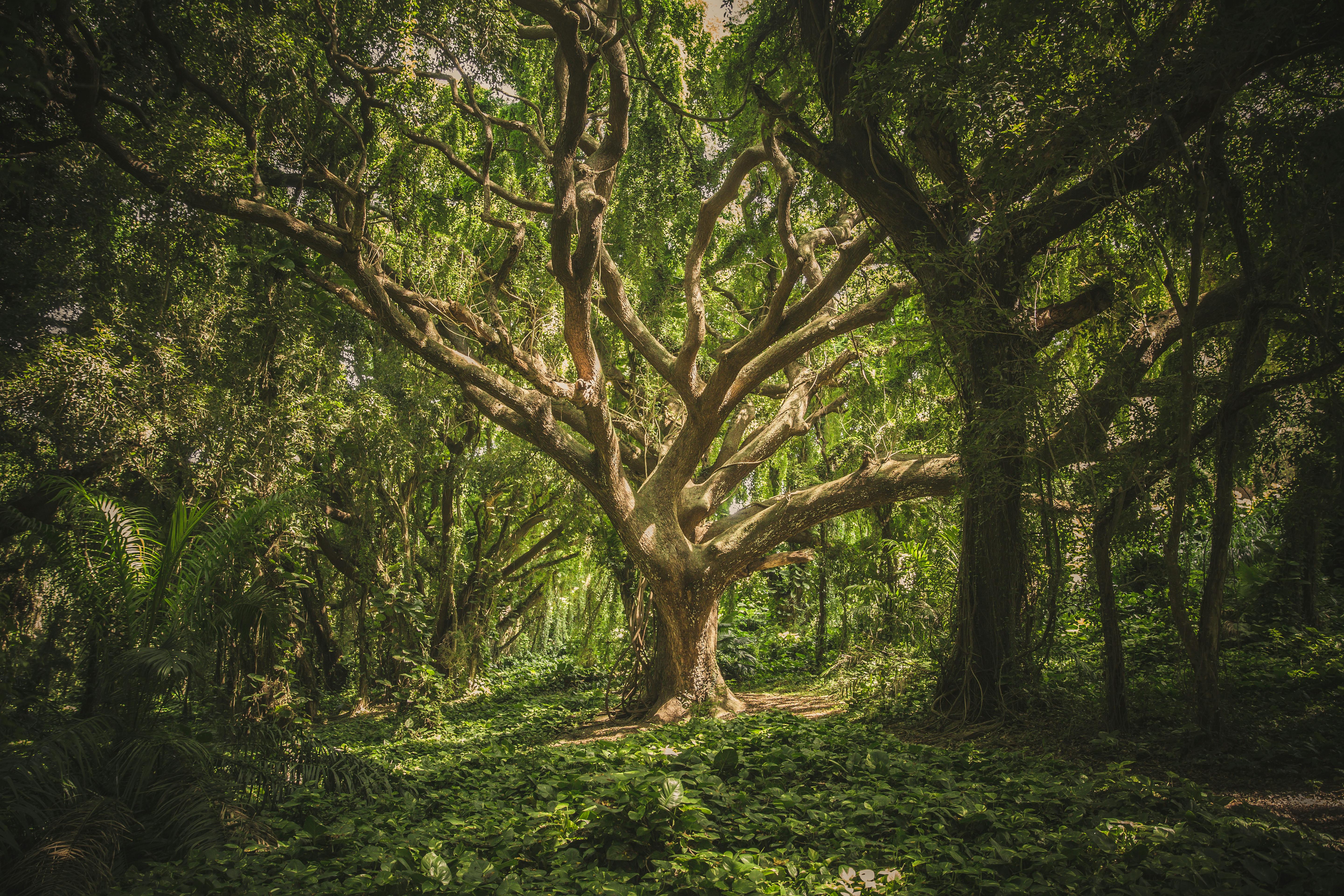
Photo by WASSIM AHMED
We aren’t looking for a sitcom character’s vacation. We’re looking for groundedness and for the depth that only comes when you stop trying to beat the clock and start living inside of it.
A Quiet Act of Resistance
Choosing the long way is, frankly, a bit of a middle finger to a world that wants you fast, frantic, and easy to sell to.
It’s choosing depth over efficiency. Presence over performance. Movement as a ritual rather than an obstacle.
This isn’t about being nostalgic for a “simpler time” (I like my WiFi and my skincare routine as much as the next woman). It’s about recalibration. It’s about deciding that your time is worth more than just getting to the finish line as fast as humanly possible.
The journey isn’t the thing standing in your way. The journey is where you actually find yourself.
If you liked this, check out a more reflective post on this subject in my Substack.
I’d love to hear your thoughts on this topic. Thanks for being here! xx






Leave a Reply