
A Visual Forecast for Fashion, Travel, Home & the Way We Live
As we head into 2026, design is shifting from surface-level moments to things that endure: not just what photographs well but what truly feels right to live with. After years of rapid trend turnover and disposable visuals, a slower, more intentional era is rising—one defined by depth, emotion, and craft. Beauty is slowing down; it’s becoming personal again.
The aesthetics shaping design trends of 2026 move fluidly across wardrobes, rooms, journeys, and rituals. They reflect a collective desire for meaning, authenticity, and connection—to ourselves, to nature, and to history—showing up as everything from velvet upholstery and heirloom ceramics to long-form train itineraries and quiet, tactile spaces.
This is a high-level forecast of the trends I feel will shape fashion, home, travel, and the broader creative world next year. In the months ahead we’ll unpack each movement in a dedicated series—exploring origins, cultural relevance, and practical ways to adopt these ideas thoughtfully in daily life.
Want to follow along? Subscribe for the full deep-dive on Romantic Maximalism, Intentional Luxury, Old‑World Nostalgia, Soft Minimalism, Nature‑Led Living, Slow Travel, and Sentimental Storytelling.
Romantic Maximalism: The Return of Beauty
After a long reign of pared-back minimalism, beauty is staging a confident comeback. Romantic maximalism celebrates ornament, drama, and layered visual storytelling—rich, collected spaces and wardrobes that feel expressive and alive rather than merely busy. This is not excess for excess’s sake; it’s intentional abundance that foregrounds character, craft, and sensory depth.
Look for a revival of historical silhouettes and tactile materials—velvet, brocade, embroidered linens, and painterly textiles—paired with ornate lighting, carved mirrors, and saturated palettes drawn from oil paintings and antique tapestries. The effect is tactile and atmospheric: heavy drapes that hush a room, burnished brass that catches the light, and fabrics that invite touch.

Romantic maximalism appears across fashion, interiors, and travel: brocade jackets and velvet blazers for wardrobes; layered rugs, curated objet, and gilded mirrors for homes; and old‑world hotels and European cities with visible layers of history for journeys that feel steeped in time. Designers and makers are responding with pieces that prioritize materiality and story over minimal visuals—because in 2026, beauty is restorative, not frivolous.
How to adopt (Quick Summary):
- Fashion: Start with one statement textured piece—try a brocade blazer from Reformation or hunt vintage finds on Etsy for authentic character.
- Home: Layer velvet pillows (Anthropologie has accessible options) with an ornate mirror or sculptural lamp from Rejuvenation to introduce warmth and drama.
- Travel: Choose accommodations with history—small heritage hotels or curated stays listed on 1stDibs or niche boutique platforms to experience places that feel lived‑in.
Shop the look: Velvet throw pillows, vintage tapestries and textiles, ornate lighting and mirrors, and painterly paint tones. For a deeper guide, stay tuned to see our upcoming Romantic Maximalism deep‑dive.
Intentional Luxury: Where Quiet Luxury Evolves
Quiet luxury isn’t disappearing—it’s maturing into something more deliberate. In 2026, luxury shifts from show to substance: less about visible logos and more about discernment, craftsmanship, and longevity. The emphasis is on how things feel and age—the reassuring weight of a well-made coat, the warm patina of wood smoothed by time, the comforting layout of a thoughtfully designed hotel.
This aesthetic appears across fashion, interiors, and travel as timeless silhouettes, elevated basics, and artisanal objects. Designers and brands respond by prioritizing materiality, repairability, and provenance over seasonal visuals. In travel, intentional luxury favors slow itineraries and intimate stays where experience—not a name—is the point of distinction.
Intentional luxury is a simple proposition: choose fewer things, but choose them well. That mindset reframes buying as investment in time, use, and story rather than a chase after the next trend.
Where to start: a three-tier buying guide
- Investment heirloom: A coat or bag built to last—examples include Loro Piana or The Row for outerwear; expect high craftsmanship and a price that reflects it.
- Mid-tier artisanal: Elevated basics and handcrafted home pieces—shops like The Citizenry or ethically made ceramics, furniture, and textiles that balance craft with affordability.
- Entry-level durable basics: Thoughtful, transparent brands such as Cuyana and Everlane for knitwear and wardrobe staples that prioritize materials and traceability.
Shop suggestions: invest in a cashmere coat or wool overcoat, build a capsule of elevated basics, add artisanal homewares, and finish with sensorial toiletries. For practical care, seek repair services and leather or textile maintenance guides to extend a piece’s life.
Old-World Nostalgia & Heritage Aesthetics
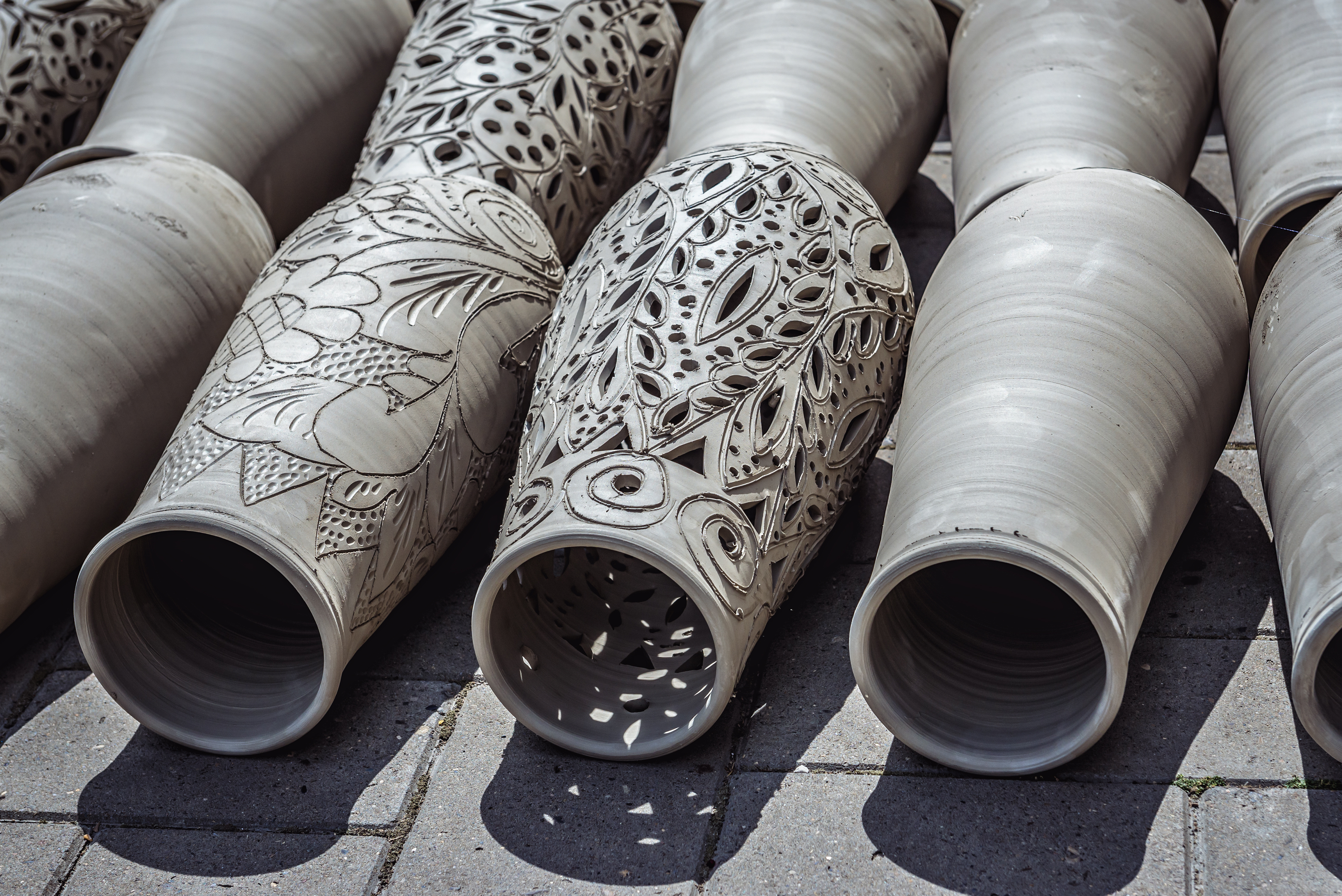
There’s an increasing pull toward tradition, ritual, and handcrafted continuity. Old‑world nostalgia channels the quiet rhythms of European countryside life, generational homes, folk art, and handmade objects—favoring continuity over novelty and slow-making over mass production.
You’ll notice this aesthetic in the resurgence of heirloom décor (lace linens, heirloom quilts), handwritten letters and analogue rituals, vintage holiday traditions, and revived craft techniques. Homes adopt layered textiles, curated antiques, and objects with provenance; designers are reworking folk motifs and artisanal techniques into contemporary pieces that feel lived‑in and personal.

Photo by mdreza jalali
In a world that tilts digital by default, heritage aesthetics offer grounding: they celebrate character, memory, and the idea that some things are worth preserving as they are—because their story is part of their beauty.
How it shows up — Home / Craft / Rituals
- Home: Layer linen or lace tablecloths, add a vintage sideboard from Chairish or Ruby Lane, and display a small collection of heirloom ceramics to build warmth and history into a space.
- Craft: Seek out folk art and handmade ceramics on Novica or local craft fairs; commission a maker for bespoke pieces that carry a maker’s mark and provenance.
- Rituals: Reintroduce analogue habits—handwritten notes on stationery from Papier or MOO, slow holiday rituals, or seasonal cooking that honors family recipes.
Where to start (quick tips): prioritize items with story or maker attribution; shop secondhand for authentic patina; learn basic repair skills or use local repair services to keep objects in circulation. For sustainable substitutions, choose washable natural linens and refurbished furniture over new mass-produced pieces.
Shop suggestions: heirloom linens and lace, curated antiques, vintage decor and collectibles, and handmade ceramics. Consider visiting local craft fairs or the Repair Café network to source and sustain heritage pieces.
Soft Minimalism: A Warmer Way Forward
Minimalism isn’t disappearing—it’s softening into a warmer, more human mode. The minimalism of 2026 keeps restraint but swaps austerity for tactile comfort: calm spaces that still feel lived‑in, wardrobes that are refined without rigidity, and layouts that prioritize ease over perfection.

Soft minimalism favors warm neutrals, gentle light, and natural textiles—washed linen, soft wool, and breathable cotton—paired with simple forms and deliberate contrast. It intersects with wellness design, emphasizing environments that support rest, reflection, and nervous‑system regulation through texture, light, and thoughtful spacing.
This aesthetic celebrates imperfection and the beauty of use: slightly rumpled sheets, a sofa with a patina of daily life, and a pared‑back shelf arranged for warmth rather than display. It’s a practical, human-centered way of designing that puts comfort and longevity ahead of visual maximalism.
Room-by-room quick tips
- Bedroom: Invest in natural bedding—Brooklinen or Parachute for accessible options; Coyuchi for organic, sustainable textiles. Choose warm, muted tones and layered throws for tactile contrast.
- Living room: Favor clean-lined sofas from Article or West Elm paired with a soft wool throw; add a sculptural lamp from Schoolhouse for warm, diffuse light.
- Wardrobe: Build a capsule of elevated basics in natural fibers—one low-cost option and one investment pick per category; prioritize inclusive sizing and fit over trend-driven pieces.
Quick shop ideas: affordable bedding, investment linen or organic cotton, warm furniture with simple forms, and soft lighting. For each category include one pragmatic, lower-cost pick and one higher-end option to suit different budgets.
Practical note: use furniture layouts that create restful negative space, incorporate texture to avoid flatness, and accept small imperfections—they make spaces feel lived‑in and welcoming.
Nature-Led Living & Earth-Inspired Design
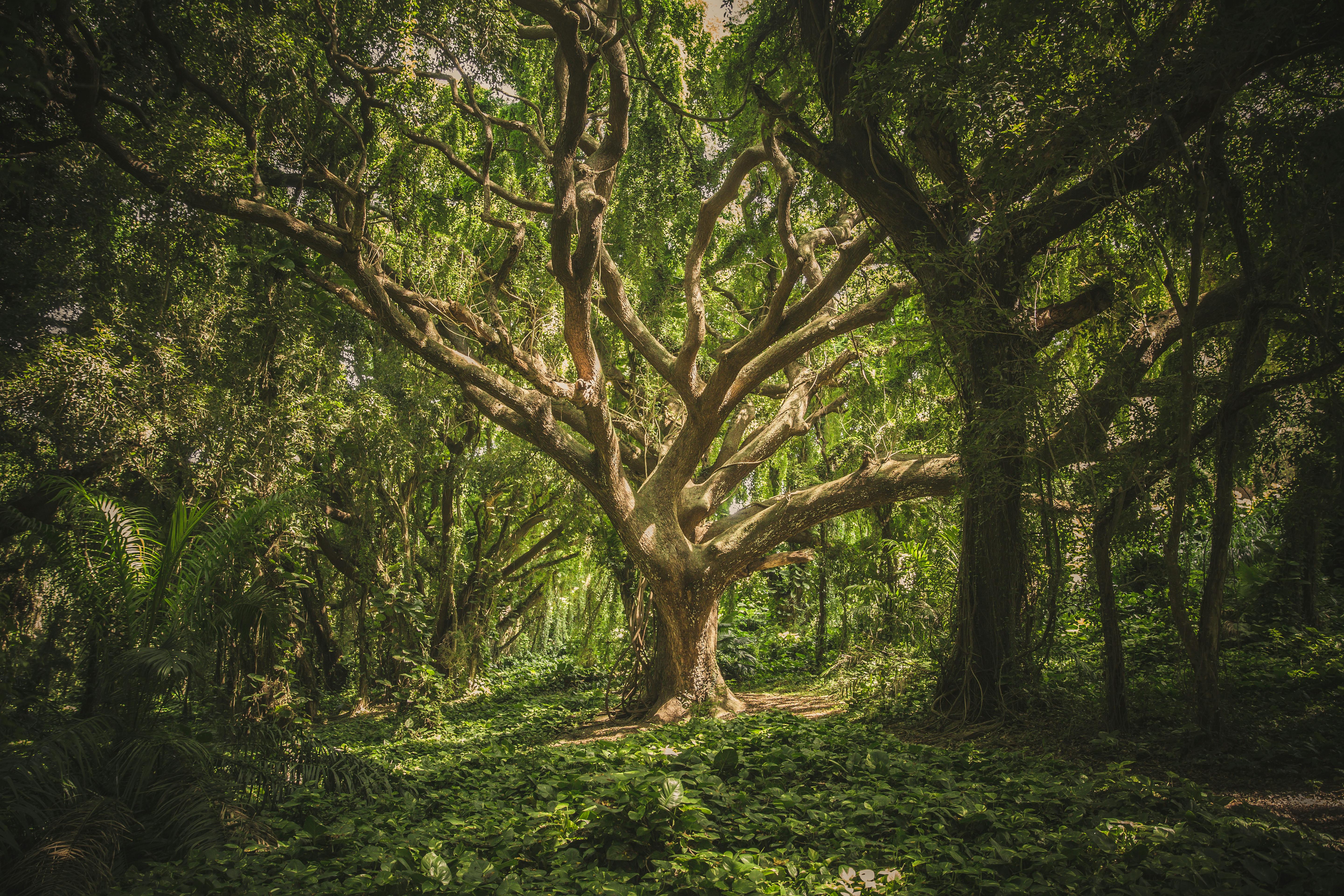
Nature’s influence on design deepens in 2026—moving beyond surface-level “earth tones” to aesthetics that borrow directly from landscapes and weather systems. Think palettes and materials inspired by misty mountains, rugged coastlines, dense forests, and shifting skies: not just an implied warmth, but texture, scale, and mood drawn from the natural world.
Expect color stories that echo moss, stone, fog, clay, and ocean blues, paired with honest materials such as oiled wood, raw clay, stoneware, and hand-forged metal. Fashion leans toward practical elegance—durable outerwear, layered knitwear, and utility details—while interiors favor biophilic layouts, tactile surfaces, and planters that bring living systems into everyday space. Travel choices tilt to places where nature sets the pace: the Scottish Highlands, the Faroe Islands, and alpine regions that prioritize presence over spectacle.

Photo by Siyuan Zhao
Nature-led aesthetics reflect a desire to feel grounded and connected: to use materials that age with grace, to design rooms that respond to light and weather, and to choose experiences that re-anchor life in the physical world rather than in curated visuals.
How to adopt — Interiors / Wardrobe / Travel
- Interiors: Layer stoneware (Heath Ceramics), oiled wood furniture, and live plants (Bloomscape) to create a tactile, nature-forward home. Use paints inspired by landscapes— I love Farrow & Ball or Earthborn Paints who offer palettes named for natural conditions—and arrange furniture for daylight flow rather than perfect symmetry.
- Wardrobe: Prioritize durable, practical pieces from Patagonia, Fjällräven, and REI for outdoor utility with elevated proportion; add one crafted knit or stonewashed wool coat to bridge function and form.
- Travel: Book slower, nature-first itineraries through responsible operators (Intrepid Travel, Responsible.travel) or choose longer stays in remote regions to fully absorb a place’s light, weather, and rhythms—research conservation guidelines and local access restrictions before you go.
Shop the essentials: practical outerwear, stoneware and ceramics, houseplants and planters, and nature‑inspired paints. For trips, consult small‑group, eco-conscious operators that prioritize local stewardship -we’ll get into some of the best operators in future posts.
Practical note: when adopting nature-led elements, favor materials with clear provenance, invest in maintenance (waxed wood care, ceramic glazing repair), and consider the lifecycle of objects so your design choices remain rooted in the world they’re inspired by.
Slow Travel & Cinematic Escapism
Travel in 2026 will be defined less by how many places you check off and more by the mood of the time you spend there. Slow travel favors long train journeys, extended stays, and destinations that reveal themselves gradually. The aesthetic has a cinematic feel—moody light, grainy photographs, overcast mornings, and quiet afternoons that accumulate into a memorable narrative.

Photo by Jonathan Borba: Vietnam
This is travel as storytelling: atmosphere matters more than checklists, and emotional memory outweighs social media proof. Hotels become characters in a trip’s arc; neighborhoods read like chapters. The aim is not to escape life but to experience it more fully, with intention and attention to place.
How to plan a slow trip
- Design the “arc”: choose 1–2 bases (a small town + a nearby city) and allow multi-day stays so the place can unfold. Example: a week in a Scottish Highlands village with a three-day scenic rail detour.
- Book long-stay and curated options: search Airbnb for extended rentals, or use slow-travel specialists and small-group operators (Intrepid Travel, Slow Travel curators) for curated, local-led experiences.
- Prefer rail and surface travel: use regional rail passes (Eurail for Europe) to keep transit scenic and relaxed rather than rushed.
What to pack & gear for cinematic visuals
- Photography: opt for a Fujifilm X-series mirrorless for moody JPEGs or carry a film camera and Kodak film stock for authentic grain; minimal lenses and a neutral strap keep the kit light.
- Luggage: choose durable, timeless pieces—Rimowa for hard-wearing travel or Filson for rugged, repairable duffels that age well.
- Comfort & practicality: pack layered pieces in natural fibers to suit changing weather and to look effortless in photos.
Where to stay: prioritize small heritage hotels, family-run guesthouses, or long-stay apartments that feel lived-in and offer local contact—these create a deeper sense of character than large generic brands. For booking, combine platforms and always check local conservation or access guidelines before visiting sensitive natural areas.
Plan your slow trip: start with a short itinerary template—base + 2 excursions + 1 downtime day—then download a packing checklist and photo prompts (golden-hour shots, close texture studies, and candid domestic scenes) to get the cinematic look without forcing it. The result: travel that registers as memory, not just visuals.
Sentimental Objects & Storytelling Spaces
Arguably the most defining aesthetic of 2026 is the return of sentiment: homes as personal archives layered with objects that hold memory, meaning, and story. Rather than following the latest design trend, people are curating spaces that reflect lived life—flawed, warm, and resonant.

Photo by mk. s
Expect to see shelves and tables arranged around pieces chosen for provenance and emotion: well‑worn books, handmade ceramics, framed postcards, and family photographs displayed alongside found objects. These choices privilege authenticity over perfection and invite a slower relationship to objects—keep it, repair it, pass it on.
How to curate: three quick prompts
- Provenance: Can you name where this came from and who made it? Prioritize objects with a story—vintage finds from Chairish or 1stDibs, or handmade ceramics from Etsy or Novica.
- Memory: Does it connect to a person, place, or moment? Even inexpensive items (a travel souvenir, a ticket stub) can anchor a meaningful display.
- Material honesty: Choose items with tactile presence—textured paper, hand‑thrown clay, worn leather—that age gracefully and show imperfection as character.
Looking Ahead
The common thread tying these aesthetics together is depth: a move away from surface-level trends toward lived-in beauty, emotional resonance, and intentional choices. These design trends 2026 emphasize authenticity over spectacle and ask us to build rooms, wardrobes, and trips that age well and hold meaning.
Over the coming months we’ll publish a series of deeper features—each focused on one aesthetic (Romantic Maximalism, Intentional Luxury, Old‑World Nostalgia, Soft Minimalism, Nature‑Led Living, Slow Travel, and Sentimental Storytelling). Expect practical how‑tos, room-by-room layouts, shopping guides, and interviews with designers and makers that illustrate how these trends show up across fashion, home, travel, and daily rituals.
What’s next:
- In-depth guides on how to adopt each aesthetic in your home and wardrobe.
- Shop the look hubs that collect the product suggestions from this forecast (Anthropologie, Etsy, Rejuvenation, Farrow & Ball, Cuyana, The Citizenry, Article, Brooklinen, Patagonia, Fujifilm, Chairish, 1stDibs).
- Practical downloads—packing lists for slow trips, a “soft minimalism” starter kit, and a repair & care checklist for heirlooms.
- Reader submissions: share your spaces and stories to be featured in the series.
If you want to follow along, subscribe to the 2026 aesthetics series for every new installment and a consolidated “Shop 2026 Aesthetics” gallery that aggregates the brands and marketplaces mentioned above. These will include practical price ranges, where-to-buy links, and conservation or repair resources so you can choose with care.
Because 2026 isn’t asking us to chase the next trend. It’s offering a different way: to live more slowly, more intentionally, and with more story and care in our time and our spaces.






Leave a Reply